Millwright vs. General Contractor: Who Should Handle Your Industrial Project?
Precision equipment installation, relocation, and alignment across the Intermountain West.

When a facility needs new equipment installed, relocated, or aligned, it's not always obvious who should handle the job. Understanding millwright vs. general contractor roles is an important first step, since hiring the wrong type of contractor for a specialized industrial project can lead to delays, added costs, or equipment that isn't installed to the precision your operation requires.
At Intermountain Machinery Service (IMS), we specialize specifically in millwright work, and this guide breaks down how that differs from general contracting so you can plan your next project with the right team.
What Does a Millwright Do?
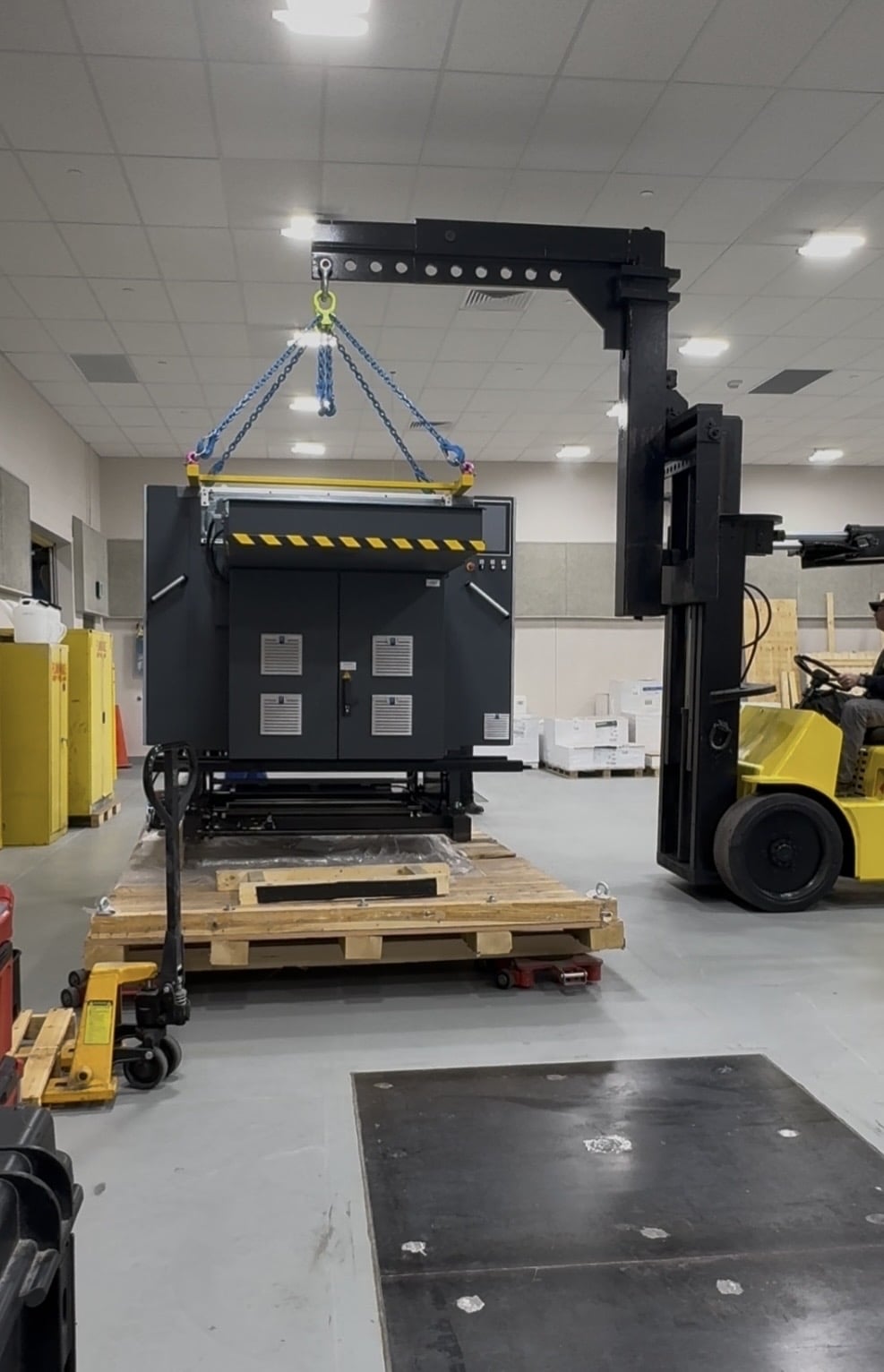
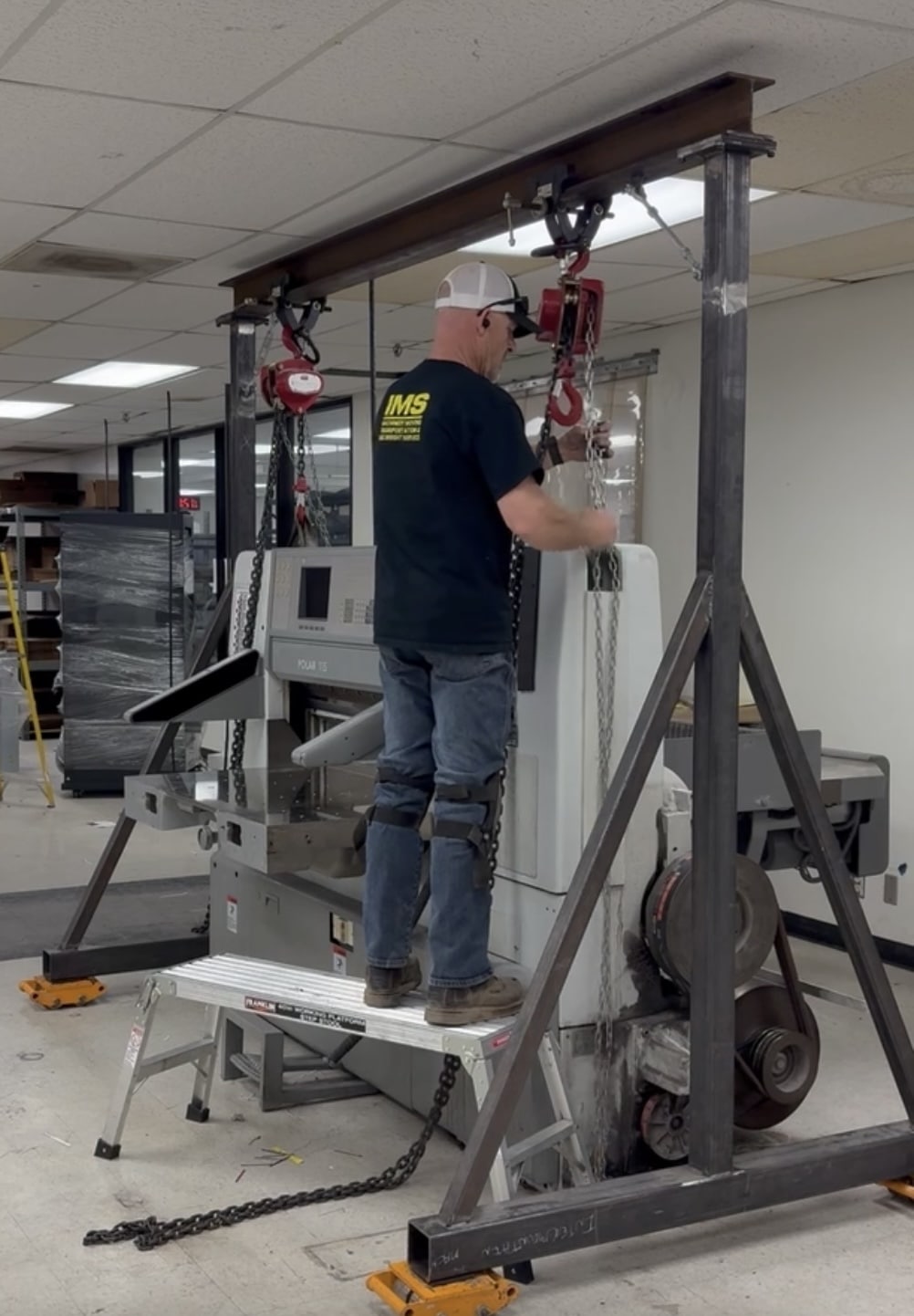
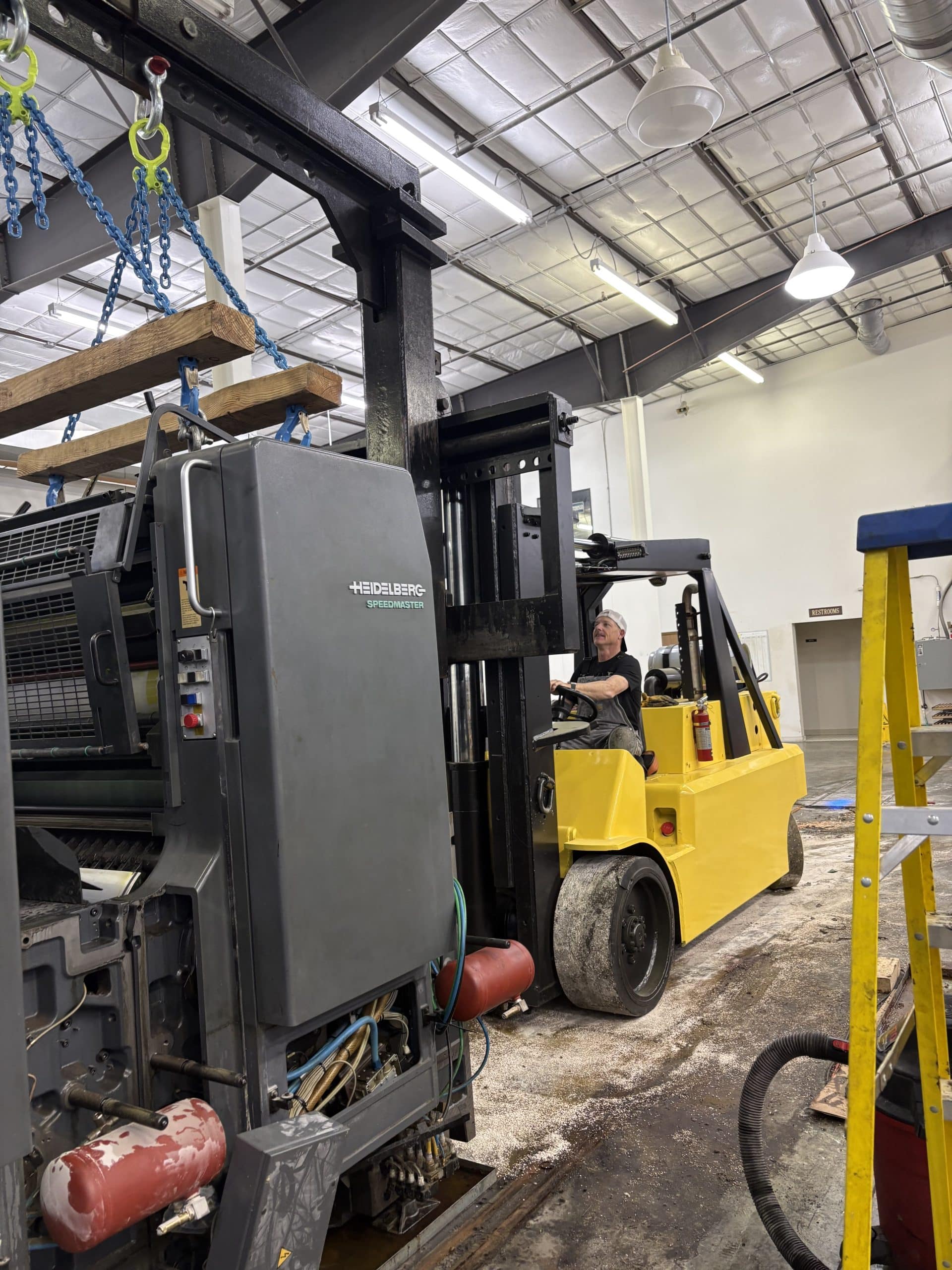
A millwright is a specialized tradesperson focused on installing, maintaining, and repairing industrial machinery and equipment. Millwright work centers on the precision side of industrial projects, including machinery installation, equipment assembly and disassembly, and precision alignment and leveling, the kind of exacting work that keeps production equipment running safely and efficiently.
Millwrights are typically brought in for tasks like installing manufacturing equipment, moving heavy machinery within or between facilities, and providing ongoing maintenance support for industrial equipment.
What Does a General Contractor Do?
A general contractor typically oversees broader construction projects, such as building construction, facility buildouts, or renovations. General contractors manage the overall scope of a construction project, often coordinating multiple trades like electrical, plumbing, HVAC, and structural work under one umbrella. Their expertise is in project management and construction coordination rather than the specialized handling and alignment of industrial machinery.
Millwright vs. General Contractor: Key Differences
The core distinction in millwright vs. general contractor work comes down to specialization: millwrights handle the machinery itself, while general contractors handle the building and construction project as a whole.
Why This Distinction Matters
Industrial equipment installation and relocation require a level of precision that general construction work doesn't typically involve. Improperly aligned or leveled machinery can affect performance, safety, and equipment lifespan, which is why millwright expertise matters specifically for these projects.
At the same time, a millwright isn't the right choice for a full building renovation or new facility construction, which falls squarely within a general contractor's scope.
Which One Does Your Project Need?
Call a millwright
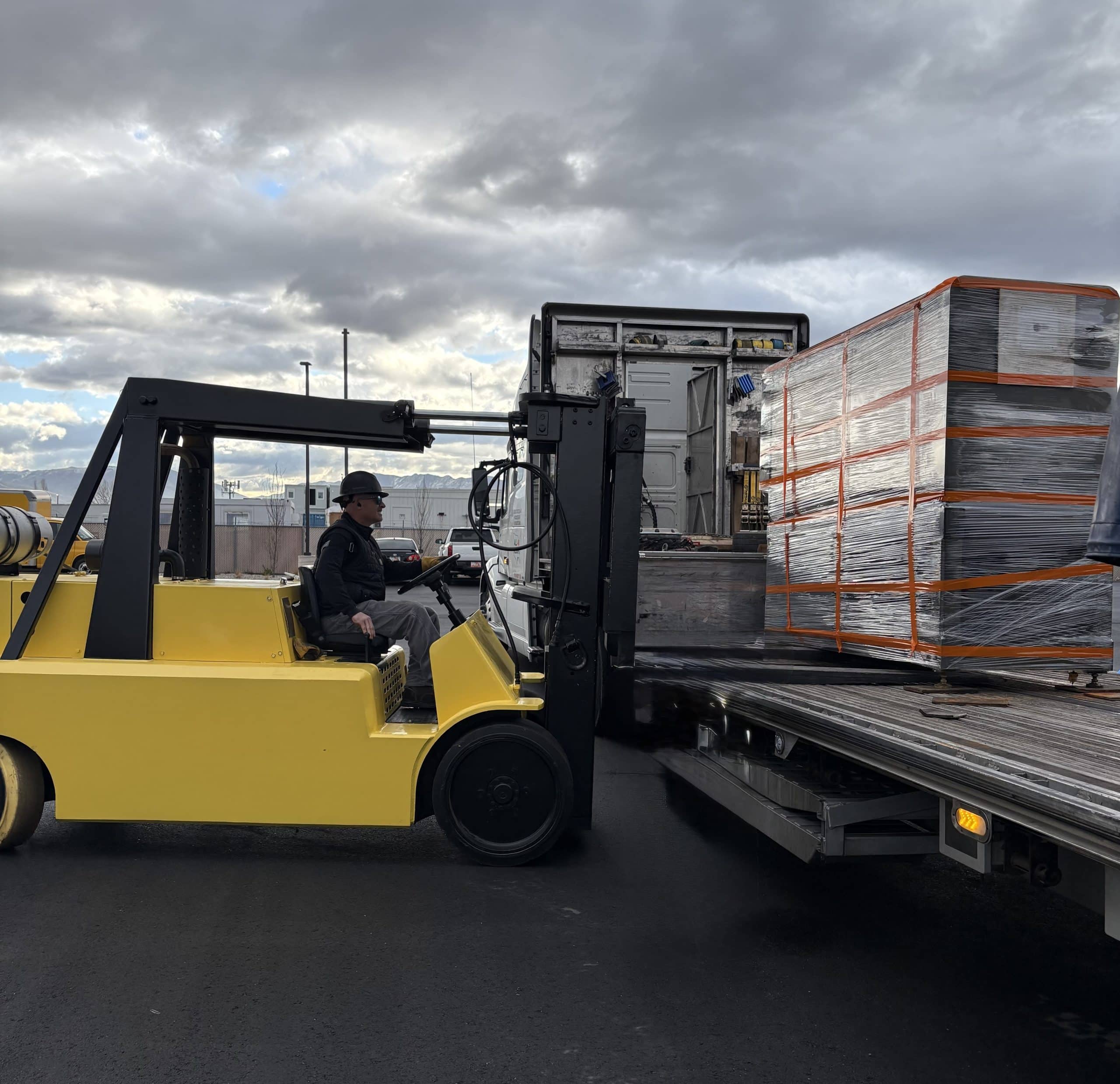
If your project involves installing new manufacturing equipment, relocating heavy machinery, or aligning and leveling industrial equipment, a millwright is the right specialist for the job.
Call a general contractor
If your project involves building or renovating a facility itself, from structural work to coordinating multiple trades, a general contractor is the better fit.
You may need both
Many larger industrial projects involve both, with a general contractor managing the facility construction and a millwright handling the equipment installation within it.
Millwright Services From IMS
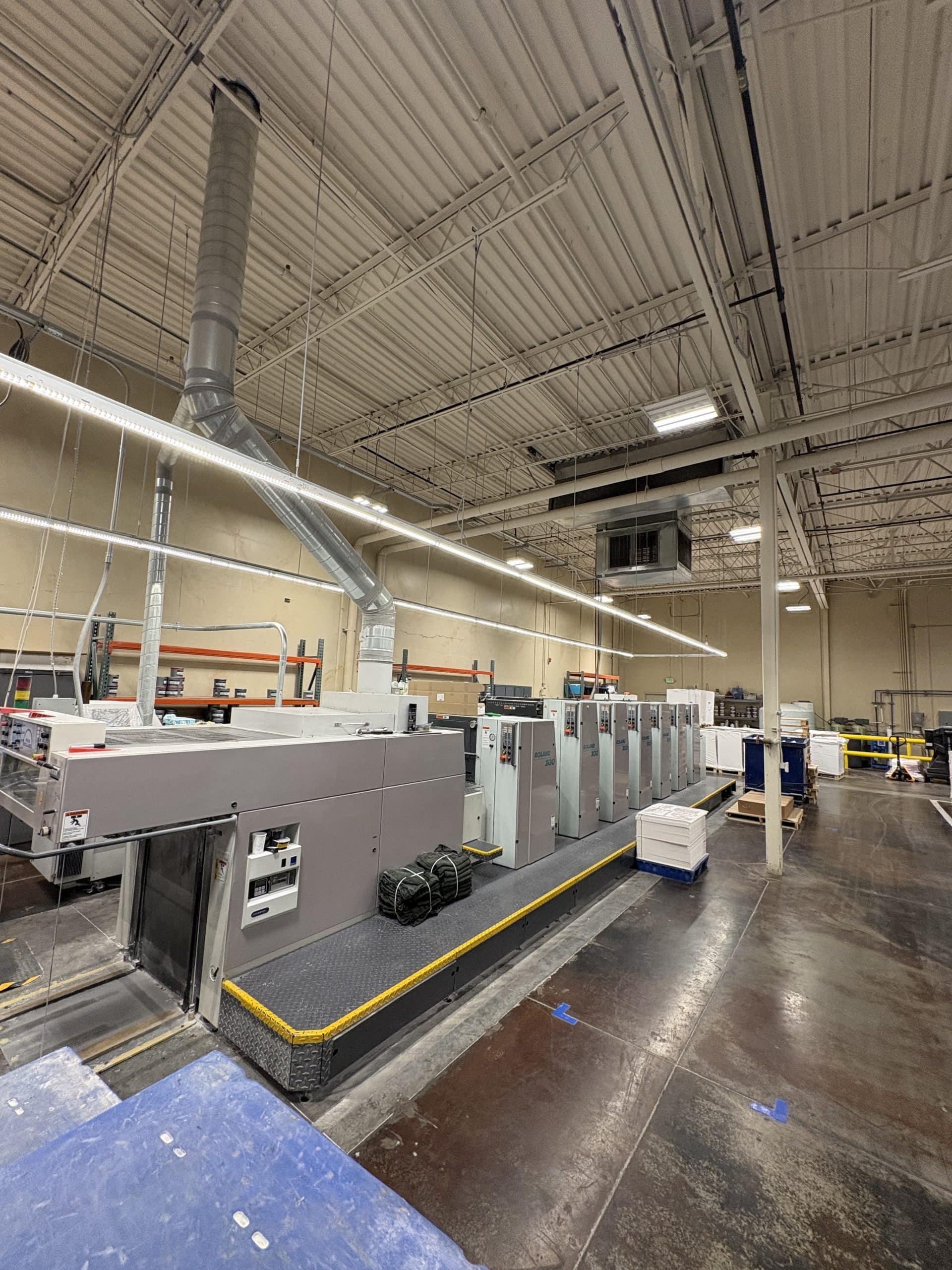
Intermountain Machinery Service provides millwright services, including machinery installation, equipment assembly and disassembly, precision alignment and leveling, and ongoing maintenance support, for manufacturers, warehouses, printing and packaging plants, and processing facilities throughout Utah, Nevada, Wyoming, Colorado, Arizona, Montana, New Mexico, and Idaho.
We also provide machinery moving and transportation services to support projects that require equipment relocation alongside installation.
If you're weighing millwright vs. general contractor for your next industrial project, our team can help you determine exactly what your equipment needs.