Planning a Production Line Move
Relocating a production line is one of the most complex projects a manufacturing facility can take on. Between coordinating equipment disconnection, transportation, reinstallation, and alignment, planning a production line move requires far more than simply hiring a moving crew. A well-planned move protects your equipment, your timeline, and your bottom line.
At Intermountain Machinery Service (IMS), we help manufacturers and industrial operations relocate production equipment safely and efficiently, and this guide covers what to consider when planning a production line move.

Why Planning Matters
A production line isn't just a collection of machines; it's an interconnected system where each piece of equipment depends on precise placement, alignment, and connection to function correctly. Rushing into a move without a clear plan can lead to extended downtime, equipment damage, or costly realignment issues once machinery reaches its new location.
Key Steps When Planning a Production Line Move
1. Assess the Full Scope of the Move
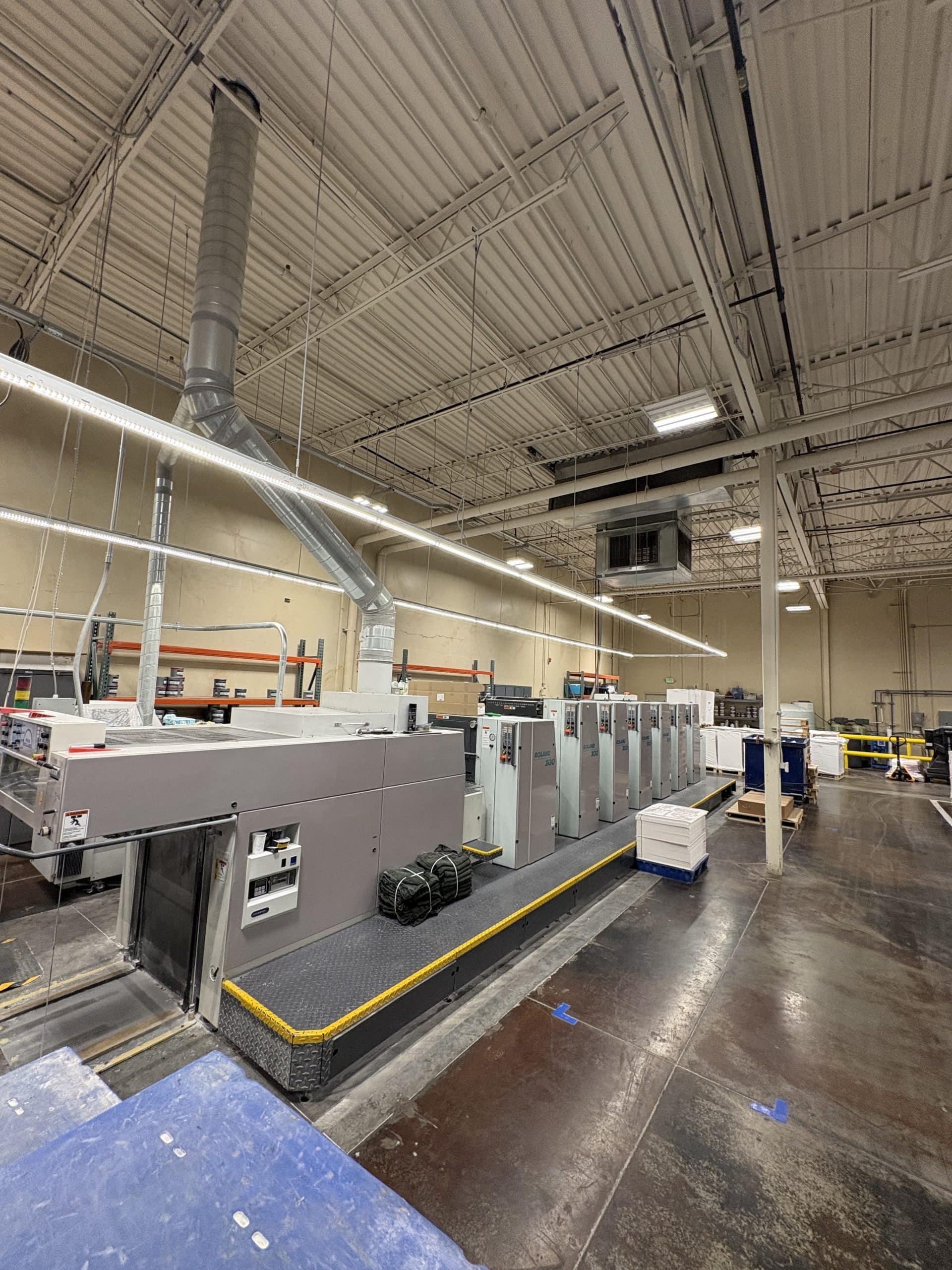
Before anything is disconnected, it's important to understand exactly what's being moved, from individual machines to supporting infrastructure. Planning a production line move starts with a clear inventory of equipment, along with an understanding of each machine's size, weight, and handling requirements.
2. Plan Around Production Schedules
Minimizing downtime is often the top priority for manufacturers. A well-planned move accounts for production schedules, sequencing the disconnection, transport, and reinstallation process to reduce the amount of time your line is offline.
3. Coordinate Equipment Disconnection and Preparation
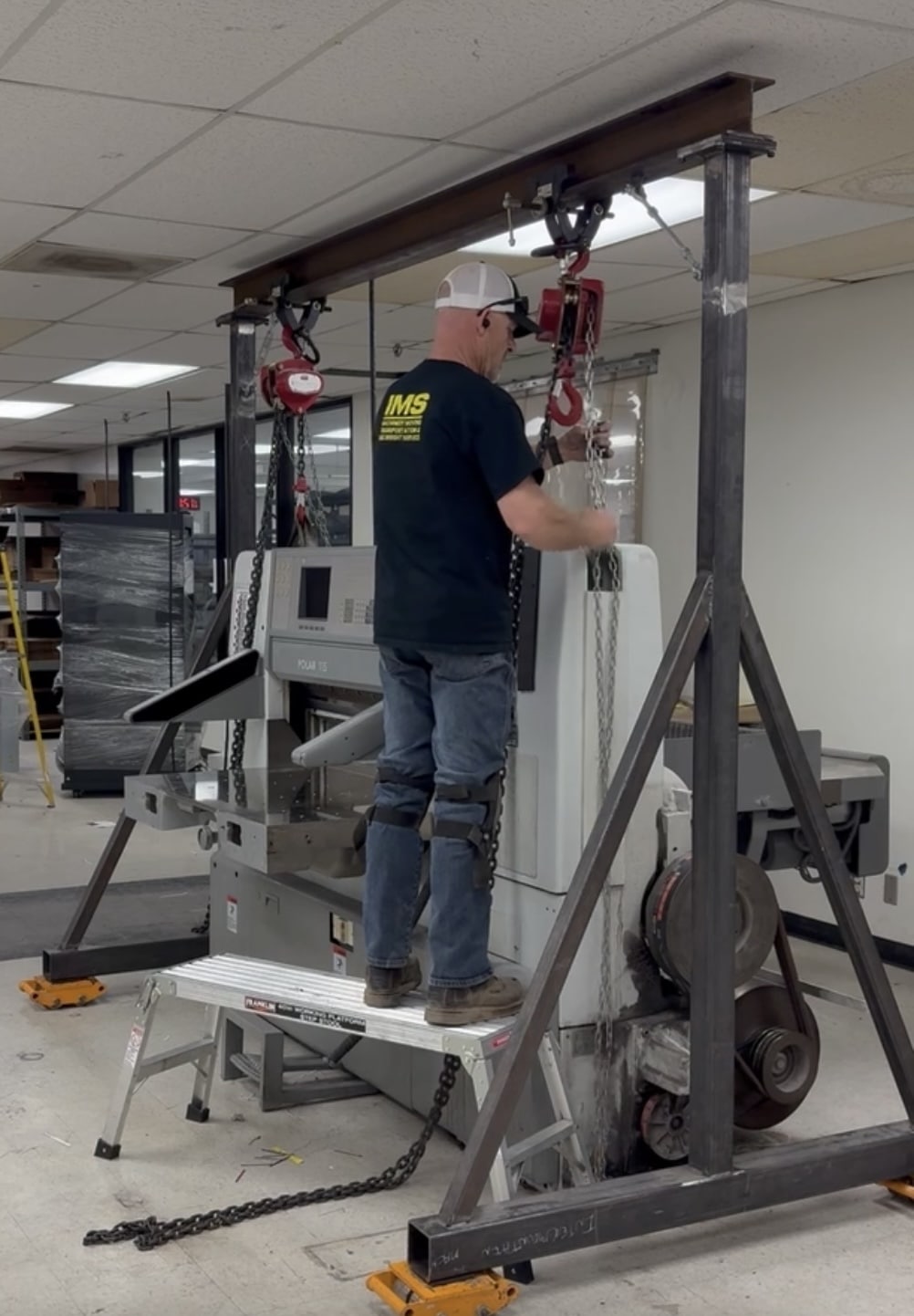
Industrial machinery often requires careful disconnection from power, utilities, and connected systems before it can be safely moved. This step should be handled by millwrights experienced in the specific equipment involved to avoid damage during disassembly.
4. Arrange Specialized Transportation
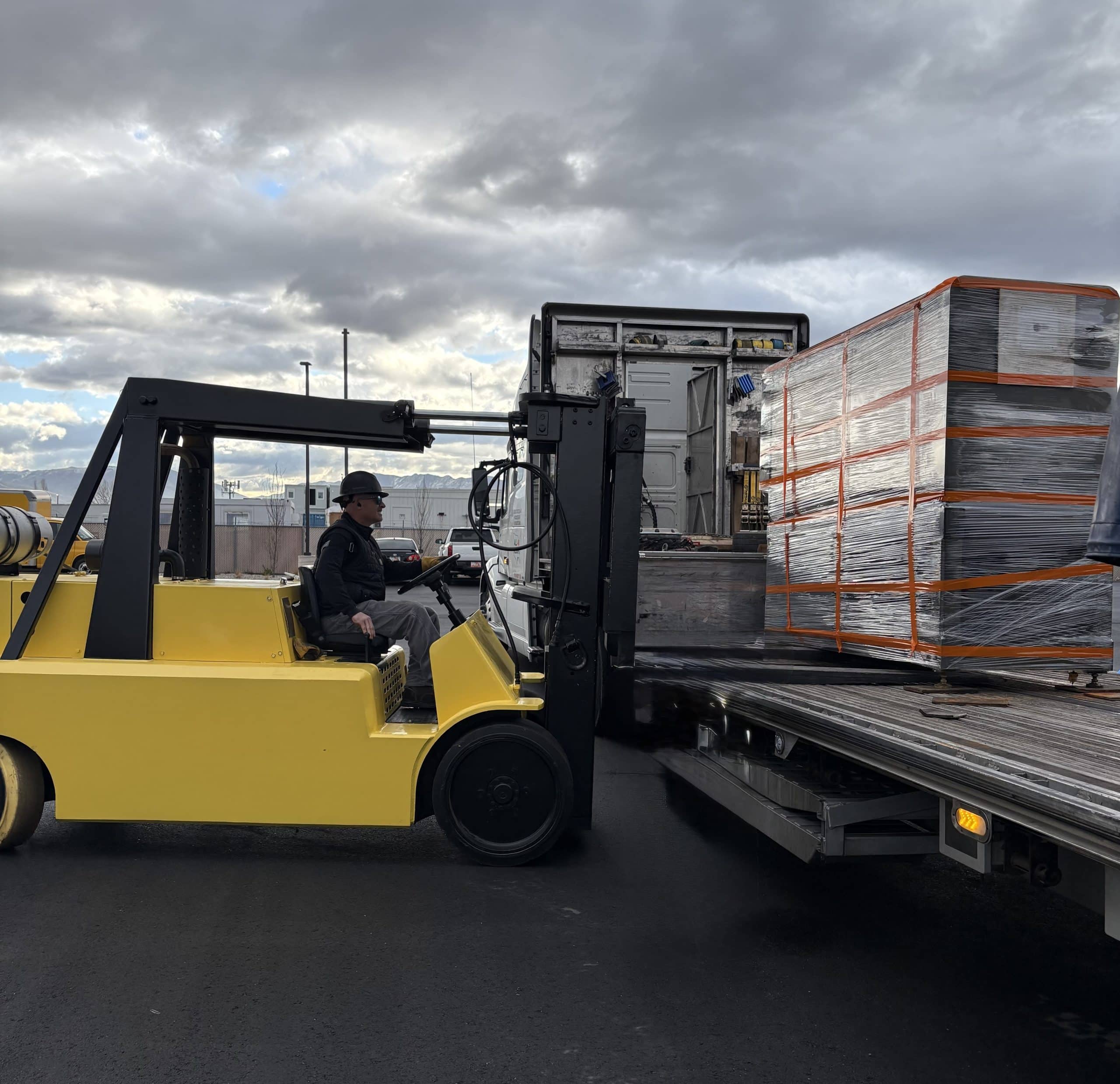
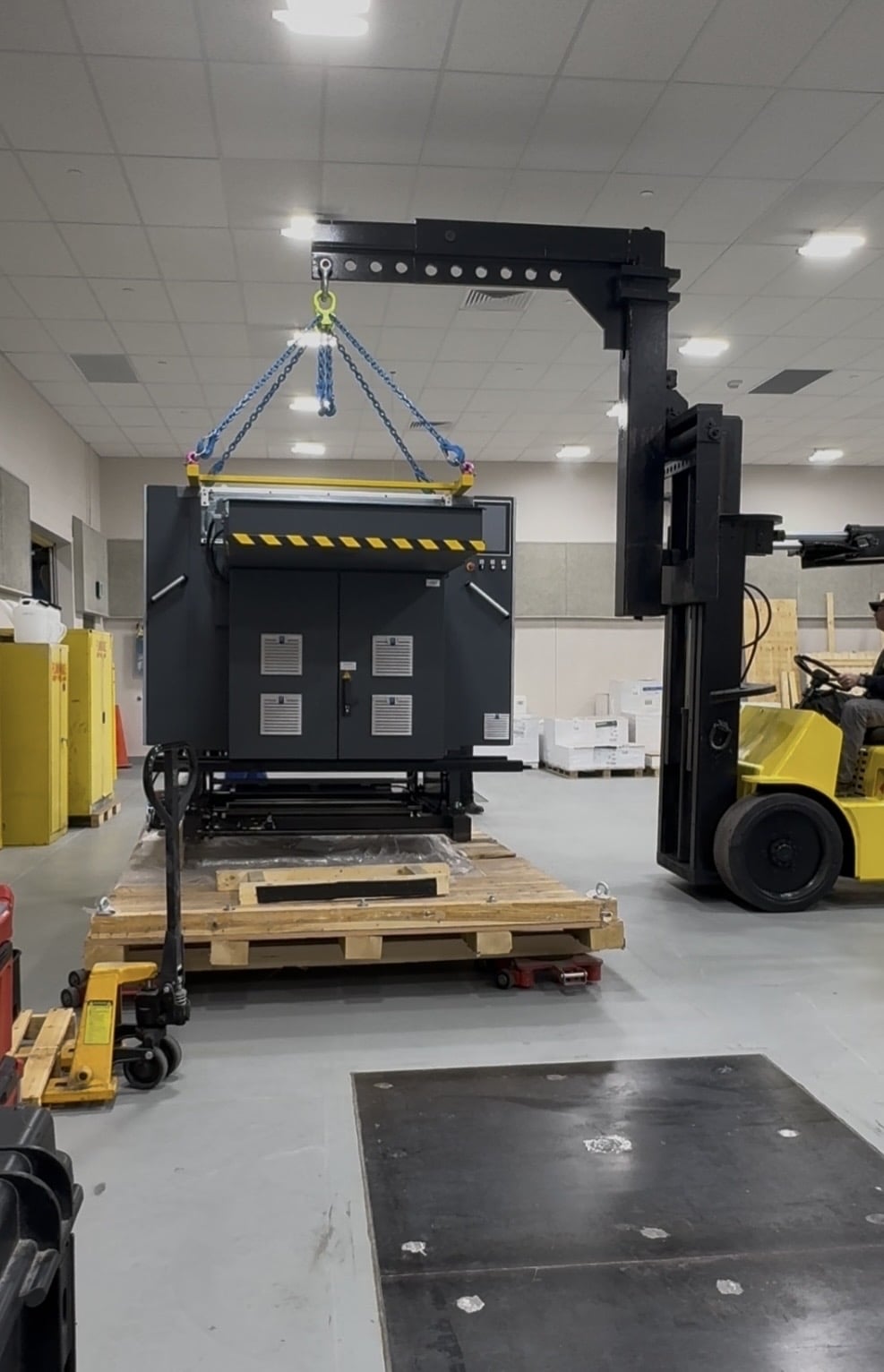
Moving heavy industrial machinery, whether across a facility or across state lines, requires organized transportation solutions designed to handle the size, weight, and sensitivity of the equipment involved. This is a critical part of planning a production line move, especially for equipment that requires oversized load coordination or long-distance hauling.
5. Plan for Precision Reinstallation
Once equipment arrives at its new location, proper installation and precision alignment and leveling are essential for the machinery to function correctly. Reinstallation isn't simply about placing equipment back in position; it requires the same attention to alignment and setup as the original installation.
6. Build in Time for Testing and Adjustment
Before returning to full production, equipment should be tested and adjusted as needed to confirm everything is functioning properly in its new location. Skipping this step can lead to issues surfacing after production has resumed, when machinery repair has to compete with a live schedule.
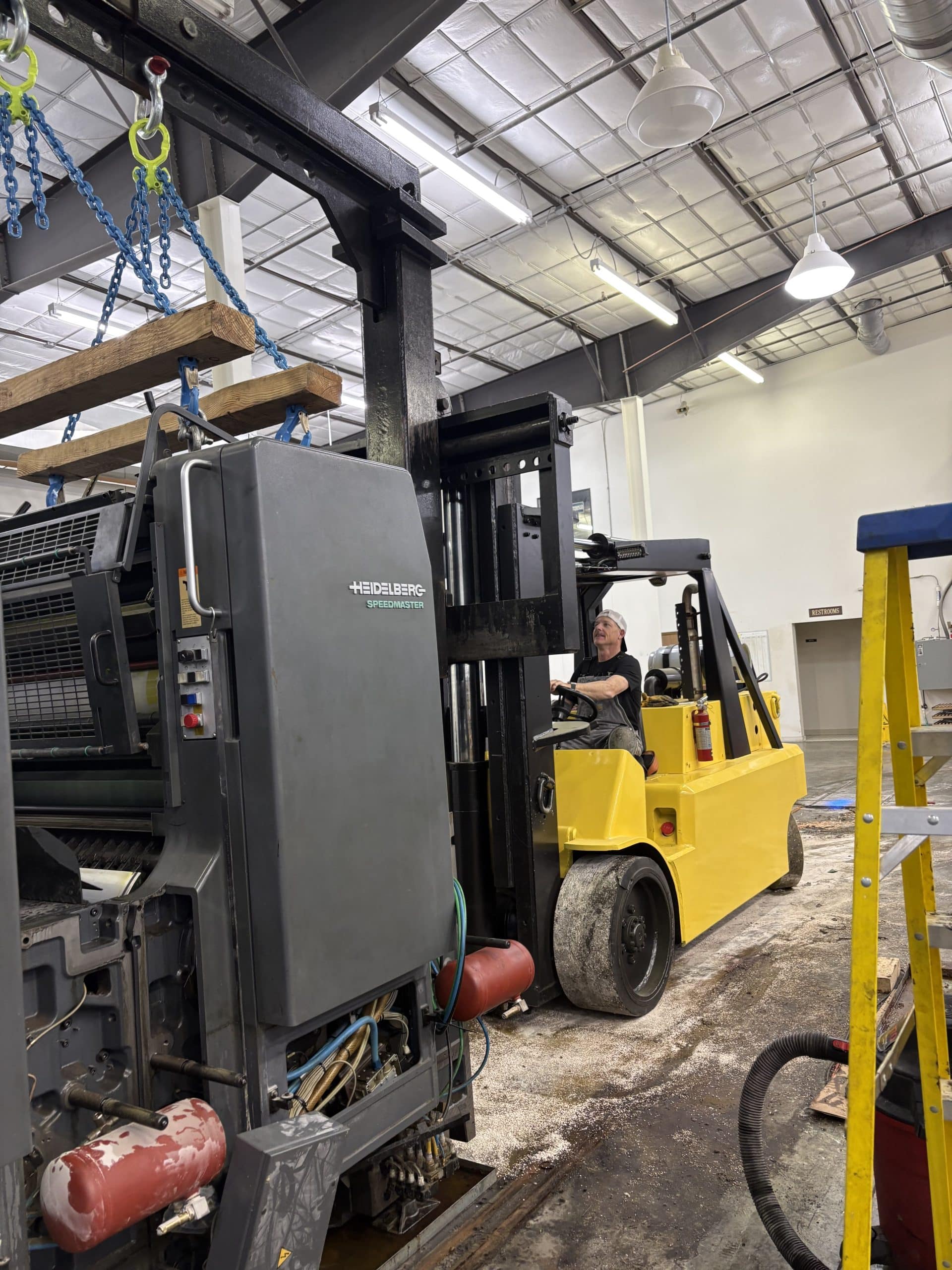
Every stage of the move, from disconnection to final alignment, runs on one coordinated plan.
Millwright and rigging crews, one point of contactCommon Challenges When Planning a Production Line Move
Production line moves often run into a few recurring challenges: underestimating the time required for disconnection and reinstallation, insufficient coordination between transportation and installation teams, and inadequate planning for how the move will affect ongoing production schedules.
Working with an experienced industrial machinery team helps avoid these pitfalls by managing the process from start to finish.
How IMS Supports Production Line Moves
Intermountain Machinery Service provides complete industrial machinery service solutions, combining millwright services, machinery moving, and transportation coordination to support production line relocations for manufacturers, warehouses, printing and packaging plants, and processing facilities.
Our team provides organized transportation solutions designed to support your project's success, whether you're moving machinery across town or across multiple states. Once the line is running again, maintenance contracts keep it that way.
IMS serves clients throughout Utah, Nevada, Wyoming, Colorado, Arizona, Montana, New Mexico, and Idaho, and coordinates projects across North America, including transportation routes connecting major logistics hubs.
Ready to plan your production line move?
Tell us what needs to move, where it's going, and when your line has to be back online. Our team will map the sequence and give you an estimate.